


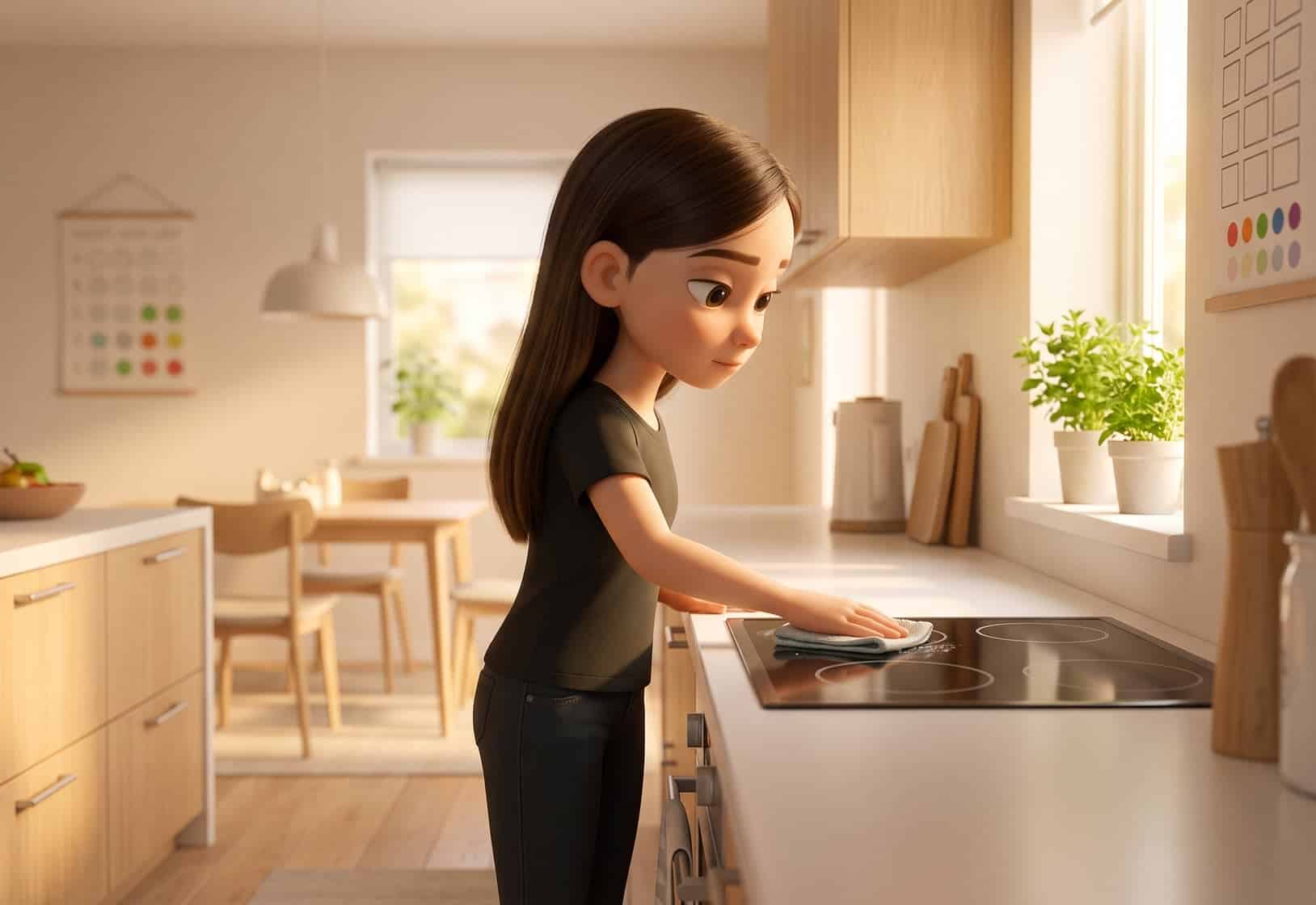
Chores for Tweens: Give Them Whole Jobs, Not Tasks
Chores for tweens hit a wall when parents keep assigning the same bite-sized tasks that worked at age seven. An 11-year-old who is told to “wipe the table” and nothing else often does exactly that: a quick swipe, job ticked, mess still lurking at the edges. Kids in the 11-13 range are capable of so much more, and most of them actually want to feel that. The shift that changes everything is handing them a whole job, not just a step inside one.
Why Single Tasks Stop Working for This Age Group
There is nothing wrong with how you ran things when your kids were younger. Breaking chores into tiny steps makes sense for a seven-year-old who needs to build the habit before they can see the bigger picture. But tweens have the cognitive capacity to understand a whole process, and treating them like they do not can quietly chip away at their motivation.
When a 12-year-old is only ever asked to “put away the dishes,” they never learn that the kitchen is a system: clean, dry, put away, wipe down the counters, check the bin. They just do their fragment and disappear. The result is a parent still doing the thinking, even when the child is doing some of the labour. That split is exhausting for everyone.
Tweens also respond badly to feeling micromanaged. If every chore comes with a checklist of sub-steps handed down by a parent, it signals: I do not trust you to figure this out. Whole jobs flip that message entirely.
What “Owning a Whole Job” Actually Looks Like
Giving a tween a whole job means they are responsible for an outcome, not just an action. The distinction matters. Here are some examples of how single tasks become owned jobs:
- From “take out the bins” to “managing household rubbish”: They check all bins in the house, consolidate, take out on collection day, and bring the empty bins back in.
- From “load the dishwasher” to “owning the kitchen after dinner”: They clear the table, load, run the dishwasher if it is full, wipe surfaces, and deal with anything that needs hand-washing.
- From “vacuum your room” to “your bedroom stays guest-ready by Sunday”: They decide when to vacuum, tidy, and change their sheets across the week, as long as the standard is met by Sunday evening.
- From “help with laundry” to “running their own laundry”: They sort, wash, dry, and put away their own clothes independently. No reminders.
Notice that none of these require you to stand over them. You set the standard and the deadline. They work out the how and when. That is the shift.
How to Hand Over a Whole Job Without It Falling Apart
Cold-turkey handovers rarely work. The first week or two, do the job alongside them so they understand what the finished result actually looks like. Then step back. Resist the urge to hover or to jump in when they do it differently from how you would. Different is fine. Half-done is not, and that is the only conversation worth having.
A few things that help the transition go smoothly:
- Be specific about the standard, not the method. “The bathroom should smell clean and have no visible grime” tells them what success looks like without dictating every step.
- Give them a deadline rather than a time. “By Friday evening” works better than “every Wednesday at 5pm” for a tween with a packed after-school schedule.
- Tie the job to something they value. This is where points and rewards make a real difference. When a tween can see that completing their whole job moves them closer to something they actually want, the motivation is internal rather than parental.
Tasks ‘n Chores is built around exactly this idea. Parents assign whole jobs with a description and a point value, and kids can see what they are working towards because they chose their own rewards themselves. That combination, ownership of the job plus ownership of the goal, is remarkably effective with this age group.
Chores for Tweens That Build Real Life Skills
One thing parents often notice once they make this shift is that their tweens start problem-solving in ways they never expected. A kid who owns the weekly food shop list learns to check what is running low before writing it. A kid who owns dinner once a week learns to think ahead about defrosting, timing, and what goes with what. These are not just chores. They are rehearsals for adult life.
Some whole jobs that work particularly well for the 11-13 age range:
- Planning and cooking one family dinner per week
- Managing the family recycling including breaking down boxes
- Keeping a shared bathroom clean and stocked
- Walking and feeding a pet on a set schedule
- Mowing or sweeping outdoor areas
- Handling their own school bag, uniform, and sports kit logistics
Within Tasks ‘n Chores, parents can write these up as recurring jobs with a clear description of what done looks like. Kids mark them complete when the standard is met, not just when they have gone through the motions. That accountability, visible to everyone in the family, changes the dynamic in a way that a verbal reminder never quite manages.
Tweens are at a stage where they genuinely want to feel competent. Give them the chance to be competent at something real, something that actually matters to the household, and most of them will surprise you.
If you want a system that grows with your tween, tracks the jobs they own, and lets them choose their own rewards, take a look at how Tasks n Chores works.