What Age Should Kids Start Doing Chores?
If you have ever Googled “what age should kids start doing chores” at ten o’clock on a Tuesday night while staring at a sink full of dishes, you are not alone. Most parents land somewhere between “mine is definitely old enough” and “am I asking too much?” The good news: kids can handle more than we often give them credit for, and starting earlier makes everything easier down the road.
Toddlers and Preschoolers (Ages 2-4): Yes, Really
Two-year-olds love to help. They will follow you around the house wanting to do exactly what you are doing. That instinct is gold, and the worst thing you can do is wait until it fades. At this age, chores are less about getting the job done and more about building the habit of pitching in.
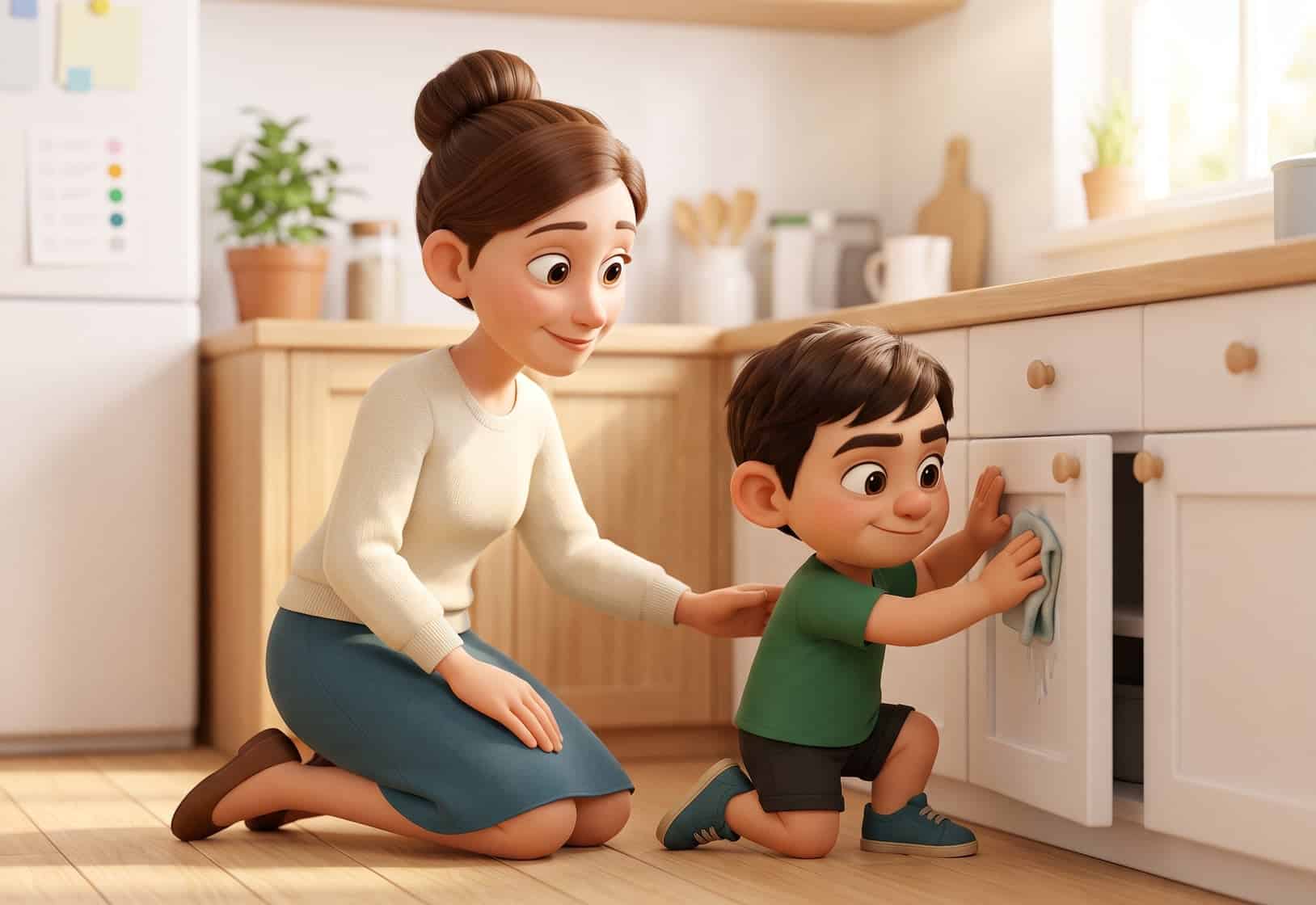
Keep tasks simple and physical. Putting toys in a basket, carrying their plate to the sink, wiping up a small spill with a cloth – these all count. Expect mess. Expect slowness. That is completely fine. The point is participation, not perfection.
- Putting toys away in labelled bins
- Carrying their own cup or plate to the kitchen
- Helping sort laundry by colour
- Wiping down low surfaces with a damp cloth
Early Primary Years (Ages 5-7): Building Real Responsibility
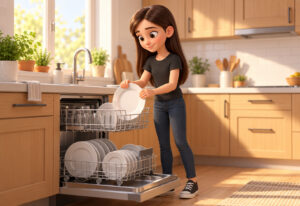
By five or six, kids can follow a short sequence of steps without you standing over them. This is the window where chores start to mean something. They can make their bed (imperfectly), feed a pet, set the table, and help unload the dishwasher. These tasks require a bit more focus, and that is exactly why they are valuable.
One thing parents often notice at this stage is that the novelty of a new chore wears off fast. A sticker chart works brilliantly for about two weeks, and then it stops working. That is not a parenting failure – it is just how kids are wired. Having a system that keeps things fresh and tied to rewards the child actually cares about makes a real difference. This is where something like Tasks ‘n Chores comes in handy: kids pick their own rewards, so the motivation stays personal rather than generic.
- Making their bed each morning
- Feeding and watering pets
- Setting and clearing the table
- Putting clean laundry away in drawers
- Vacuuming a small room with supervision
Middle Childhood (Ages 8-11): When Chores Become Genuinely Useful
This is the stage most parents are thinking of when they wonder whether their child is ready. Kids aged 8-11 can take on tasks that actually reduce your workload. Loading and running the dishwasher, doing a load of laundry from start to finish, cooking simple meals, taking out the bins – these are real contributions to the household.
The challenge here is consistency. An eight-year-old can absolutely cook scrambled eggs. Getting them to do it every Saturday without a reminder is another matter. Routines help, but so does having a system the child can check themselves rather than waiting for a parent to ask. When kids can see their own tasks, mark them complete, and watch their points add up toward something they chose, they engage differently. Parents using Tasks ‘n Chores often mention this shift: kids start reminding them about chores, not the other way around.
What Age Should Kids Start Doing Chores? The Honest Answer
Earlier than most of us start, and with more consistency than most of us manage at first. The research on this is fairly consistent: kids who do chores from an early age develop stronger responsibility, better self-regulation, and a greater sense of contribution to the family. But the research does not hand you a system that works on a Wednesday when everyone is tired and dinner is late.
A few things that genuinely help, whatever the age:
- Start with one or two tasks, not a full list. Overwhelm kills motivation quickly.
- Match the task to the child, not the age chart. Every kid develops differently.
- Let them own the reward. A child working toward something they chose is far more motivated than one earning a sticker they did not ask for.
- Expect regression. A child who was doing brilliantly for a month may suddenly stop. This is normal. Adjust and keep going.
The families who make chores stick long-term are not the ones with the strictest rules. They are the ones who built a routine that works for their actual family, stayed flexible when things shifted, and found a way to keep kids genuinely invested. That looks different in every home, but the starting point is almost always the same: begin sooner, expect less perfection, and build from there.
If you want a system that grows with your kids and keeps them motivated long after the novelty fades, take a look at how Tasks n Chores works.