School Morning Routine That Actually Works for Kids
A reliable school morning routine for kids sounds simple in theory and feels absolutely chaotic in practice. If your mornings involve repeated reminders about shoes, a missing water bottle, and someone only just remembering they need a signed permission slip, you are definitely not alone. The good news is that mornings do not have to feel that way, and the fix is less about being stricter and more about building a system your kids can actually follow on their own.
Why Most Morning Routines Fall Apart After a Week
Most families start the school year with good intentions. A list goes on the fridge, everyone knows the plan, and for a few days it works beautifully. Then one hectic Thursday undoes it all and you are back to shouting from the hallway.
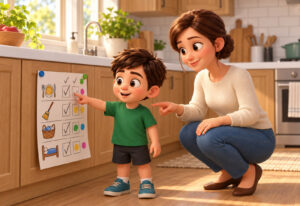
The problem is usually that the routine lives in the parent’s head, not the child’s. Kids genuinely need external cues, especially younger ones. When the steps are visible, sequential, and owned by the child rather than dictated by you, the whole thing runs differently. They stop waiting to be told and start moving because they know what comes next.
Building a School Morning Routine for Kids That Sticks
Start by sitting down with your kids, not just handing them a list. Ask them what makes mornings hard. You will probably hear things like not knowing where their bag is, or not having enough time to eat properly. Those answers are gold because they tell you exactly where your current routine has gaps.
Once you know the pain points, build the routine around them. A good school morning checklist for most primary-aged kids covers roughly these steps, in order:
- Wake up and get dressed (clothes laid out the night before helps enormously)
- Wash face and brush teeth
- Eat breakfast
- Pack bag (or check it was packed the night before)
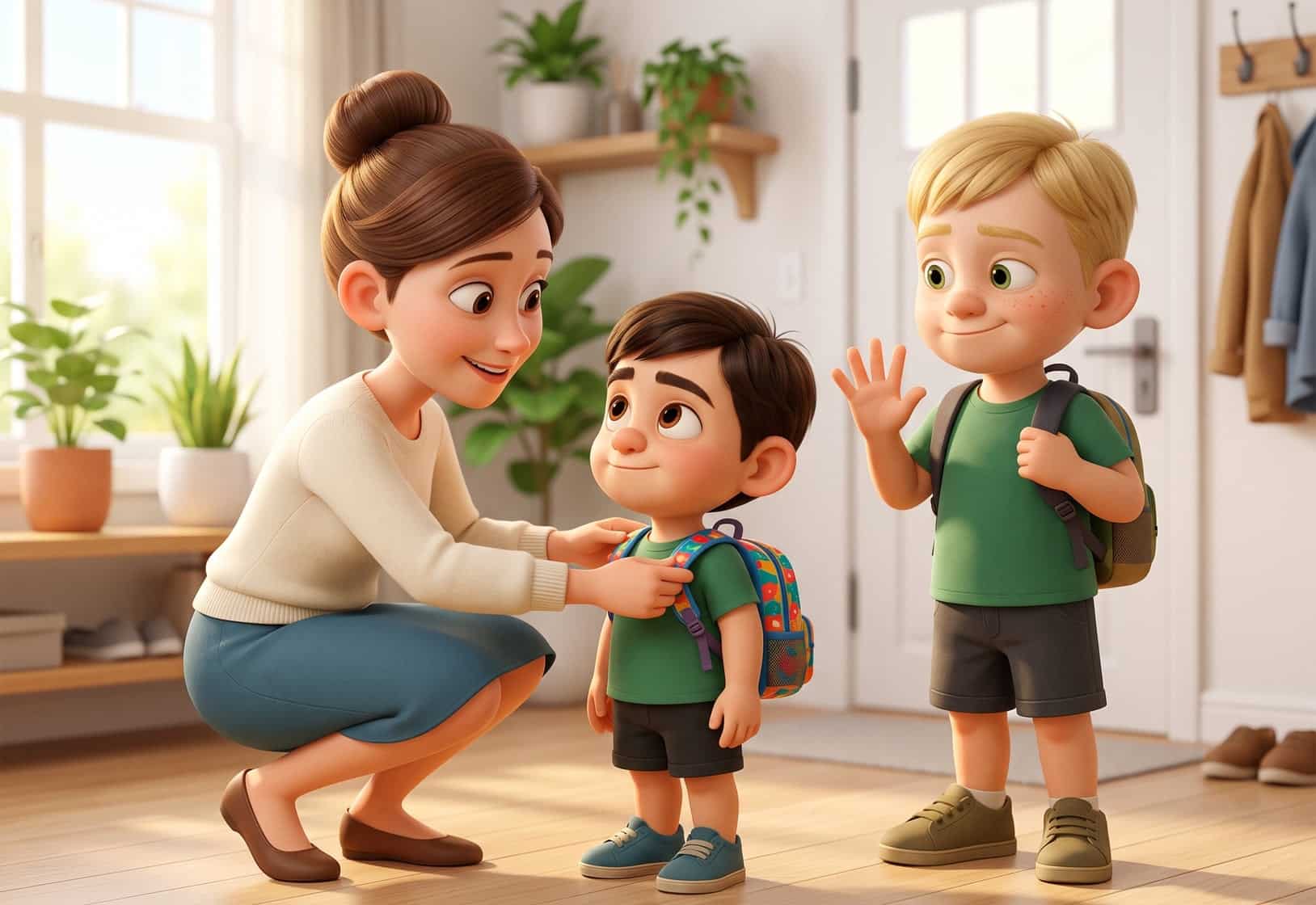
- Put on shoes and coat
- Wait by the door or head to the bus stop
Simple, right? The magic is in keeping it short and in the same order every single day. Kids brains love predictability. Once the sequence is automatic, they stop needing you to manage each step.
How to Get Kids to Follow the Checklist Without Nagging
Here is where most advice stops short. Telling kids what to do is easy. Getting them to care about doing it is the actual challenge.
A few things that genuinely help:
- Link completion to something they value. Whether that is screen time, a small reward, or points toward something they are saving up for, the connection between finishing the routine and getting something good makes the routine feel worthwhile rather than just obligatory.
- Let them track it themselves. Ownership matters. When a child ticks off their own steps, they feel capable rather than managed.
- Start the prep the night before. Bag packed, outfit chosen, lunch made if possible. A five-minute wind-down routine before bed saves fifteen chaotic minutes the next morning.
- Keep consequences natural and calm. If they miss a step and leave without their water bottle, that is a learning moment, not a catastrophe. Avoid rescuing them every time, or the checklist loses all meaning.
Families who use Tasks ‘n Chores often set up the morning routine as a recurring daily task list. Kids open the app, check off each step as they go, and earn points they have chosen themselves toward rewards that actually motivate them. The nagging drops significantly because the app holds the list, not the parent.
When Your Kids Are Different Ages and Need Different Routines
If you have more than one child, mornings get complicated fast. A seven-year-old and an eleven-year-old have very different needs and very different ideas about what counts as ready.
The simplest approach is to give each child their own checklist rather than one household list. Older kids can have more independence built in, such as making their own breakfast or being responsible for their own alarm. Younger ones may need picture-based steps or a shorter list with fewer decisions baked in.
Tasks ‘n Chores handles this well because parents can set up separate task lists for each child, assign different point values, and let each kid choose their own rewards. What motivates a nine-year-old is rarely the same thing that motivates their teenager sibling, and a system that ignores that tends to stop working quickly.
The families that report the calmest mornings are not the ones with the strictest rules. They are the ones who built a routine with their kids, made it visual and repeatable, and attached just enough motivation to keep it going on the hard days. It takes a couple of weeks to bed in, but once it does, the difference in your mornings is genuinely remarkable.
If you want the checklist to run itself and keep the whole family accountable without nagging, take a look at how Tasks n Chores works.