







Why Sticker Charts Stop Working (And What to Use Instead)
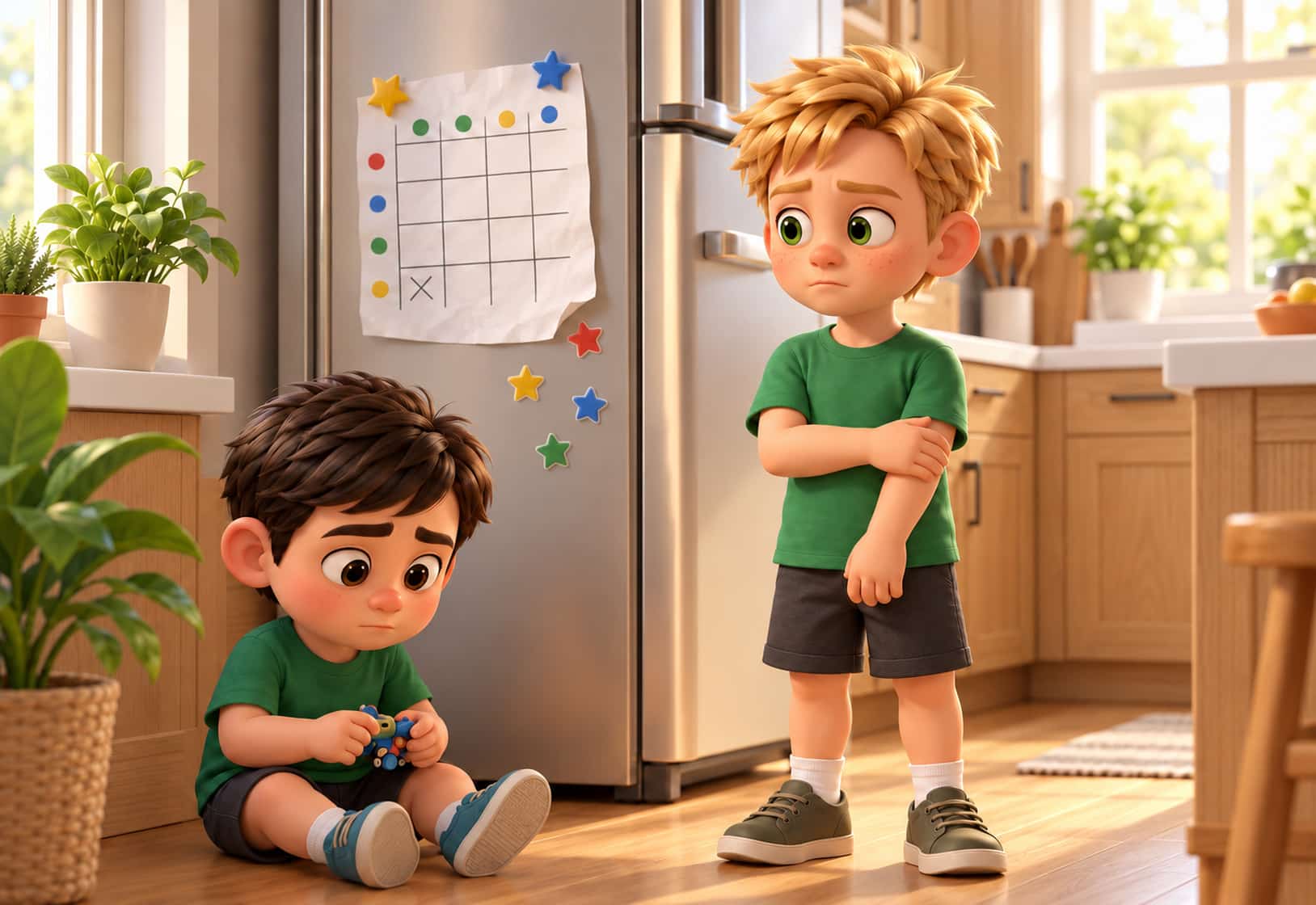
Most parents have been there. You put up a brand-new sticker chart on the fridge, hand your kid a sheet of shiny stars, and for about two glorious weeks, the chores actually get done. Then, slowly, sticker charts stop working. The novelty fades, the stickers pile up untouched, and you are back to reminding your eight-year-old to put their shoes away seventeen times before dinner.
This is not a parenting failure. It is just how sticker charts are built, and understanding why helps you find something that actually lasts.
The Real Reason Sticker Charts Stop Working After a Few Weeks
Sticker charts tap into something called extrinsic motivation, which basically means doing something for an external reward rather than for its own sake. At first, that works brilliantly. A new chart is exciting, the stickers are novel, and kids want to fill those little boxes.
But extrinsic motivation has a shelf life, especially when the reward itself loses its appeal. A sticker is only thrilling for so long. Once your child has thirty of them stuck to a piece of paper, one more does not feel like much of a win.
There are a few other reasons things unravel:
- The reward feels disconnected from anything real. Stickers do not lead anywhere meaningful. There is no finish line, no prize, no sense of building toward something.
- Kids grow out of it fast. A chart that thrills a five-year-old is embarrassing to a nine-year-old. As children get older, they need motivation that matches where they are developmentally.
- It puts all the work on the parent. Someone has to remember to update the chart, add the stickers, and keep it consistent. When life gets busy, the chart gets forgotten, and so does the habit.
- There is no flexibility. Paper charts cannot adapt when schedules change, kids take on new responsibilities, or a sibling joins the system.
What Kids Actually Need to Stay Motivated
Researchers who study children and motivation consistently find that kids engage more deeply when they have some control over their own goals. That does not mean letting them opt out of chores. It means giving them a say in what they are working toward.
When a child knows that completing tasks is building toward something they actually chose, the dynamic changes. Suddenly the motivation is not coming from you, it is coming from them. That is a much more sustainable place to operate from.
A few things tend to make a real difference:
- Rewards the child picks themselves, rather than ones assigned by a parent.
- A visible sense of progress that feels like it is going somewhere, not just accumulating.
- Age-appropriate tasks that grow as the child does, so the system never feels babyish.
- Consistency without constant parental reminders, because nagging kills motivation faster than almost anything else.
How a Points-Based System Solves the Problem
Points work differently from stickers for one simple reason: they accumulate into something the child values. Instead of a star that sits on a chart going nowhere, each completed task moves them closer to a reward they actually want.
This is the thinking behind Tasks ‘n Chores. Parents assign tasks and set the point values. Kids choose their own rewards from options the family sets up together. That combination, parent control over the tasks and child ownership over the goal, tends to keep engagement alive for much longer than any paper system.
Because everything lives in an app, the reminders happen automatically. Kids can check their progress whenever they want, which turns out to be surprisingly motivating on its own. There is something satisfying about watching a points total go up, in a way that filling in a paper box never quite matched.
Making the Switch Without a Family Meltdown
If your sticker chart has already gone quiet, you probably do not need to have a big conversation about it. Most kids know it has stopped working too. A low-key transition tends to go more smoothly than a formal announcement.
A few things that help:
- Let your child help set up the new system, particularly the part where they choose their rewards. Buy-in comes from involvement.
- Start with a small number of tasks so the system does not feel overwhelming right out of the gate.
- Resist the urge to micromanage. The whole point is that the system handles the reminding so you do not have to.
Families who use Tasks ‘n Chores often say the biggest shift is that chores stop being a daily negotiation. When kids can see their points and know what they are saving toward, they are more likely to just get on with it. That alone tends to make family life noticeably calmer.
Sticker charts served a purpose, and for young children just learning about routines, they can still be a gentle introduction. But as kids grow, the system needs to grow with them. A chart on the fridge will only take you so far.
Explore this topic further: Reward Systems for Kids: Stars, Points, Screen Time or Money? · Individual and Family Goals: A Smarter Way to Motivate Kids.
If you want a system that grows with your family and keeps kids genuinely motivated, take a look at how Tasks n Chores works.