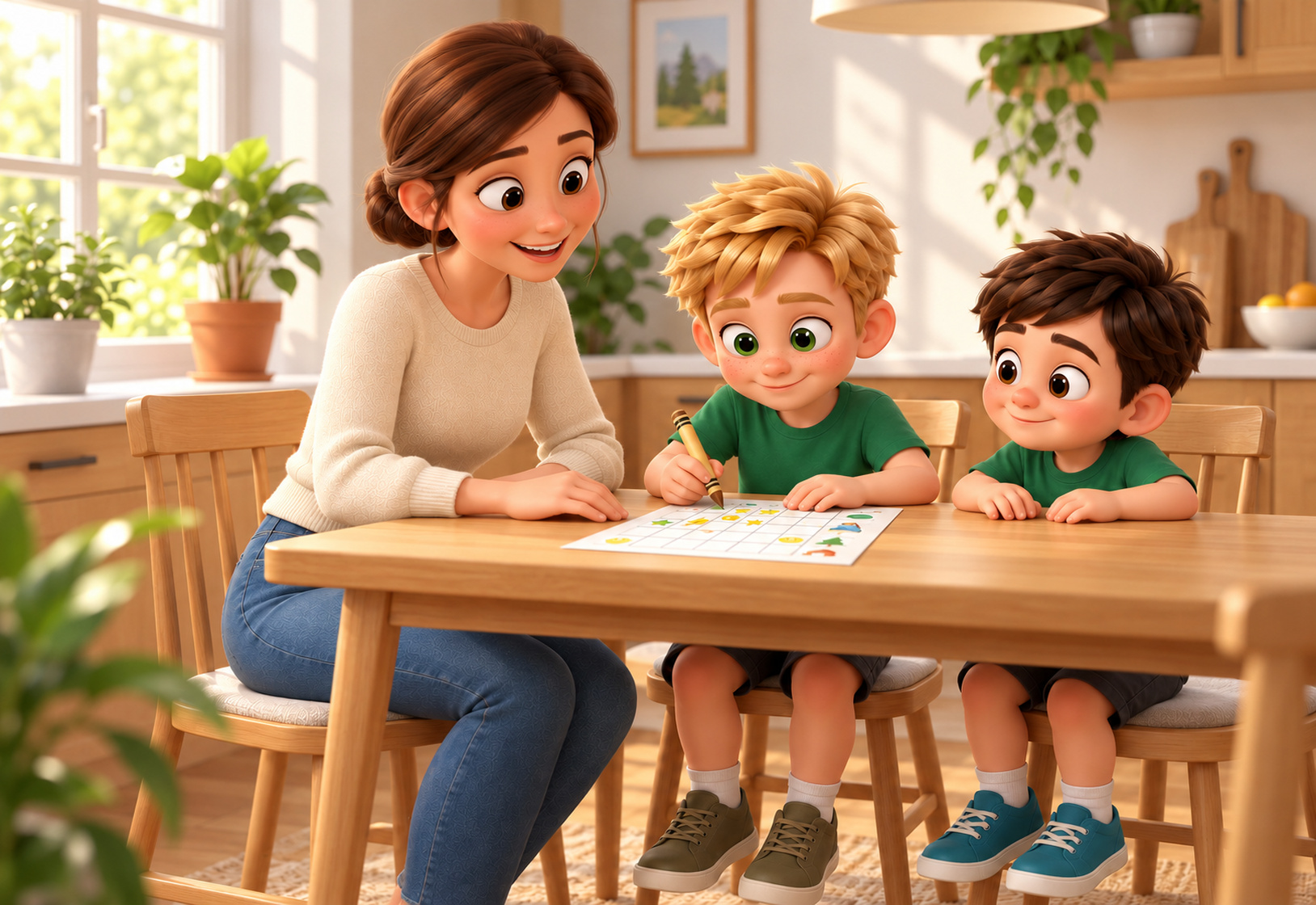
Summer Holidays: Keeping Structure When School Is Out
Summer holiday structure for kids is one of those things that sounds simple until week two arrives and the house looks like a jumble sale, nobody can agree on whose turn it is to feed the dog, and someone is already bored despite owning approximately four hundred toys. The long break is wonderful, but the complete absence of routine hits some families harder than others. A loose shape to the day, without turning July into a school term, makes a real difference.
Why Kids Actually Want Some Routine in Summer
It might seem like children are desperate for total freedom, and in some ways they are. But predictability feels safe, even when kids would never admit it. Knowing that mornings involve getting dressed, tidying their room, and having breakfast before screens gives them a framework they can push against without the whole day collapsing.
Without any anchor points, days tend to bleed into each other. Kids get overtired, overstimulated, and surprisingly grumpy for people who are supposedly having the time of their lives. A gentle rhythm, even a loose one, helps regulate mood and energy better than most parents expect.
Building a Summer Holiday Structure for Kids That Actually Sticks
The trick is keeping expectations realistic. You are not trying to replicate school. You are just giving the day a few gentle posts in the ground so it does not fall flat.
A few things that tend to work well:
- Morning anchors: A small cluster of tasks before the free time begins. Getting dressed, making the bed, and a quick tidy take maybe fifteen minutes but signal that the day has started properly.
- Contribution, not just compliance: Kids who have a genuine role in running the household during summer, even something small like laying the table or watering plants, tend to feel more settled than those whose only job is to be entertained.
- Flex windows, not flex everything: Keep mealtimes and bedtimes roughly consistent. Let the middle of the day be as spontaneous as you like. The bookends hold the shape.
- Weekly resets: A quick Sunday conversation about what is happening that week, who is responsible for what, and any special plans helps kids feel involved rather than just along for the ride.
Keeping Chores Going When the School Year Motivation Disappears
Here is where a lot of families hit a wall. During term time there is enough external pressure to keep things moving. In summer, that scaffolding is gone. Reminders multiply, kids push back harder, and whatever system was working in April starts to creak.
Paper lists and handwritten charts have their moment, usually at the start. They feel fresh and the novelty carries things for a week or two. But novelty fades, lists get ignored, and by week four nobody is quite sure what the system even is anymore. Families need something that keeps up with them rather than something they have to keep up with.
This is where Tasks ‘n Chores genuinely earns its place. Parents set up tasks in advance, kids get notified, and everyone can see at a glance what has been done and what has not. There is no nagging, no hunting for the chart, and no argument about whether something counts as finished. The system does the remembering so the adults do not have to.
Making Summer Tasks Feel Worth the Effort
Kids are much more willing to contribute when there is something in it for them, and that does not have to mean money. What works well is letting children choose what they are actually working towards. One child might be saving points for extra screen time on a Friday. Another might want a later bedtime on a camping night or the chance to pick the film for family movie night.
Tasks ‘n Chores builds this in directly. Kids earn points for completed tasks and can set their own reward goals, which means the motivation comes from them rather than from repeated parental reminders. It shifts the dynamic in a way that feels noticeably different after even a week or two.
Summer is long, and that is mostly a good thing. But keeping a loose structure running through it, one where kids know what is expected and can see the point of contributing, makes the whole stretch feel more enjoyable for everyone. The goal is never a regimented holiday. It is just enough shape that the days feel good rather than just long.
Explore this topic further: The Key to Success: Consistency · Rotating Chore Schedules: Do They Work Better?.
If you want something that grows with your family and keeps everyone on the same page without the nagging, take a look at how Tasks n Chores works.