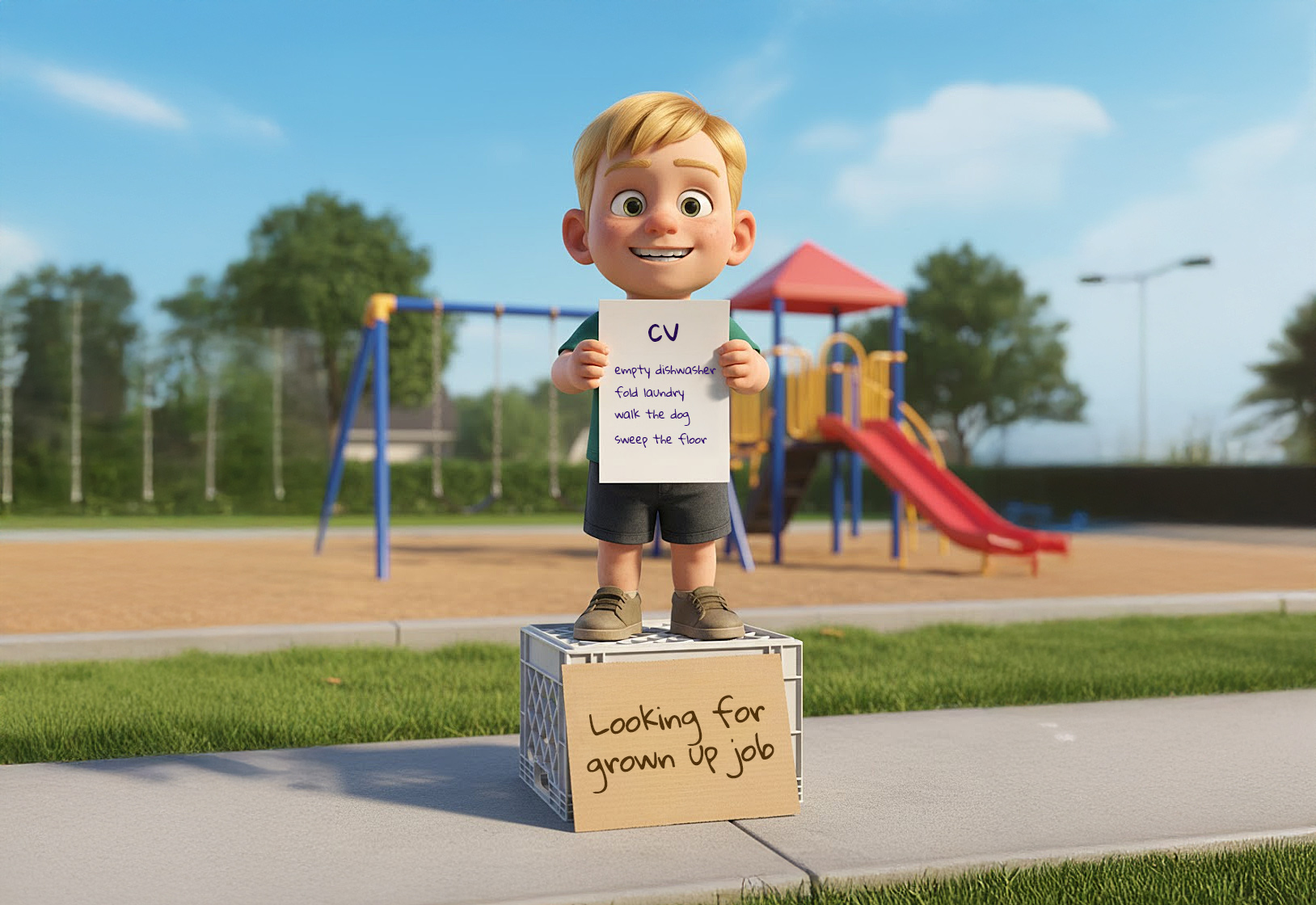
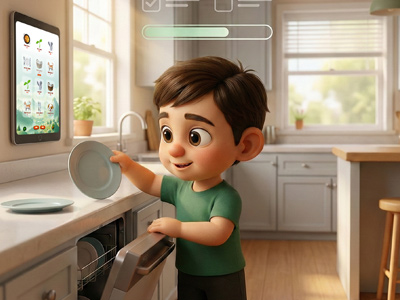
Kids Doing Chores Will Strengthen Their Adult Lives (and Here’s Why)
Teaching kids to do age-appropriate chores might feel like a daily battle over clean rooms and emptied dishwashers — but research shows it’s one of the most impactful things you can do for their future success and well-being.
While most parents focus on education and extracurriculars, regular contributions to household tasks play a powerful long-term role in shaping who children become as adults. This isn’t just a parenting cliché — it’s backed by decades of research and expert commentary.
1. Chores Build Responsibility, Work Ethic & Life Skills
Children who consistently do chores learn early that their actions matter. This builds responsibility and a strong work ethic — two traits closely linked to success in adult life.
- A Psychology Today article highlights research showing that children with consistent chores have better academic performance and higher life satisfaction than peers without them.
- Tasks as simple as making their bed or helping with dinner teach them self-management and follow-through — skills employers value in adulthood.
2. Longitudinal Research Connects Chores to Adult Success
One of the most compelling pieces of evidence comes from long-term studies.
- A Harvard study tracking participants over 86 years found that children with chores develop better teamwork, responsibility, and a sense of purpose — qualities strongly linked with adult achievement and happiness.
This shows that positive habits formed through childhood chores don’t just temporarily improve behaviour — they echo into adulthood.
3. Chores Improve Relationships and Empathy
Responsible adults aren’t just organized — many are great partners, parents, and team players.
- Research summaries report chores help children develop empathy, social awareness, and emotional intelligence, because they learn to contribute to a family team rather than only themselves.
- University Hospitals notes that adults who grew up doing chores report stronger relationships and higher life satisfaction, in part from built-in empathy and collaboration skills.
This suggests that participation in shared household roles fosters people who care about others — a cornerstone of healthy adult relationships.
4. Better Executive Function and Self-Confidence
Executive functions — like planning, impulse control, and working memory — are critical for success in school, work, and life.
- Developmental studies find that chores help children improve these exact cognitive skills, because they must plan tasks, follow steps, and persist until they’re done.
- This translates to better decision-making and self-confidence as adults, empowering them to handle complex responsibilities and navigate challenges.
5. Life Satisfaction, Autonomy & Well-Being
Beyond measurable achievements, chores help cultivate a sense of competence — the belief that you can handle life’s demands:
- Research finds that children engaged in regular chores grow into adults who feel more capable, secure, and satisfied with life.
- Even mental health experts note that mastery over routine tasks can boost self-esteem and emotional resilience.
This is a big deal — contented, capable adults tend to build healthier relationships, better careers, and stronger communities.
What This Means for Parents
Chores aren’t just about clean spaces – they’re training wheels for adulthood.
Age-appropriate chores:
- give children a sense of contribution and belonging
- build skills adults rely on daily
- encourage empathy, responsibility, and teamwork
Start early, keep expectations consistent, and give praise for effort — because these lessons last far longer than childhood.
Trusted Media & Research
Psychology Today: Research confirms chores are linked to better life outcomes.
University Hospitals blog: Harvard Study connects chores to stronger relationships & well-being in adult life.
Nordic Insider summary of Harvard research on chores and adult success.
AACAP (American Academy of Child & Adolescent Psychiatry): Chores linked to self-esteem, responsibility & resilience.