Modern family life is busy. Not just in the calendar sense, but mentally. Parents carry a constant background process of planning, remembering, adjusting, and preventing friction before it even appears. Who needs clean clothes tomorrow. Who has practice. Who forgot their lunchbox yesterday. Who is close to a meltdown.
Most parents respond to this pressure by doing more. We smooth the pavement for our kids so they can move faster and happier. We pick up after them. We remind them. We fix small problems before they turn into big ones.
The intention is love.
The result is often exhaustion.
And sometimes, without meaning to, we also teach our kids that life simply happens around them.
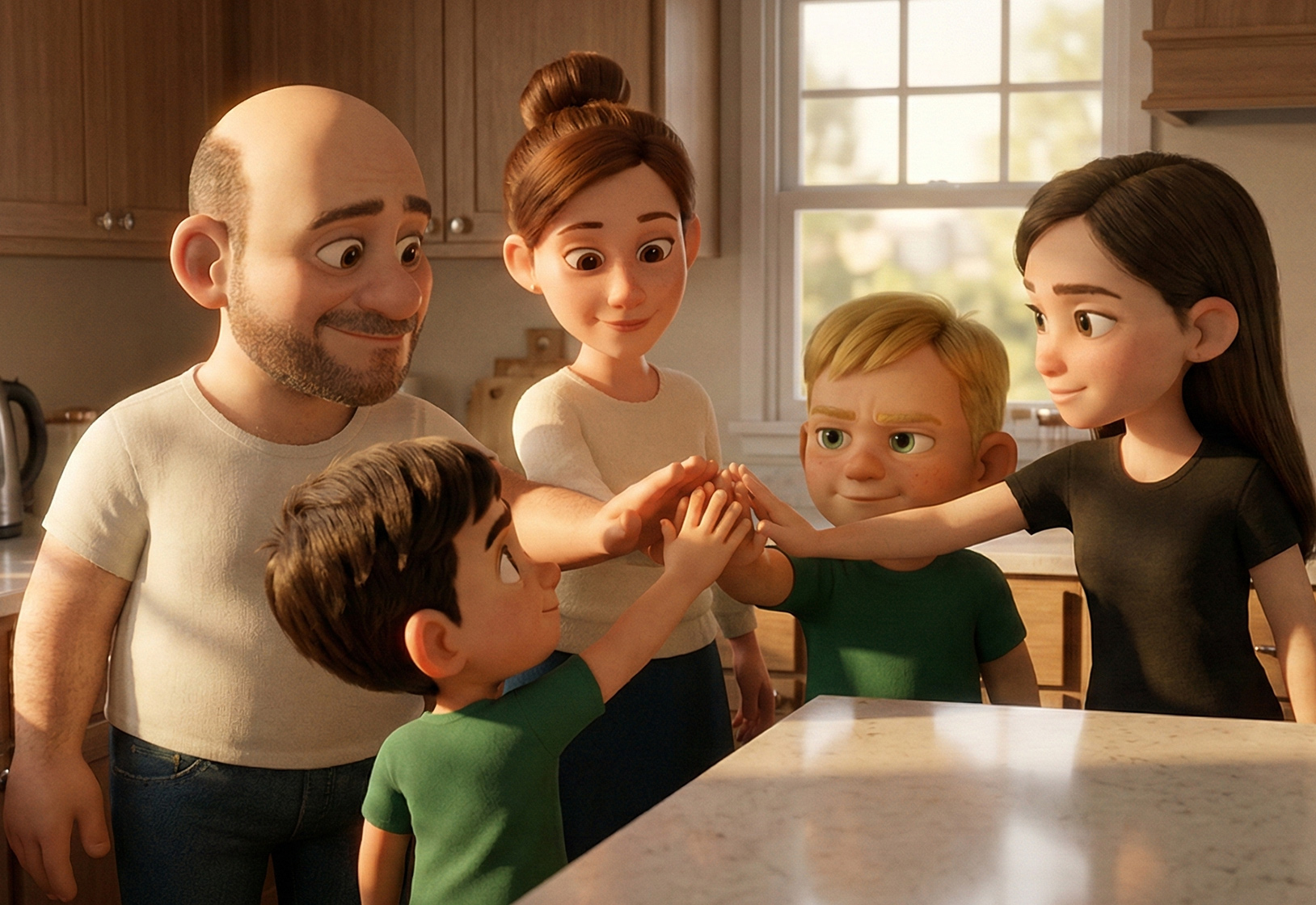
A family is already a team. The question is not whether teamwork exists, but whether it is visible and shared.
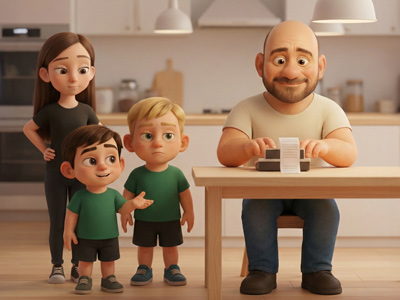
When parents silently handle everything, children do not see the system that keeps the household running. They only see outcomes. Clean clothes appear. Meals arrive. Problems get solved. Someone else must have taken care of it.
This is where imbalance grows.
Teamwork shifts the family dynamic from service to cooperation. It turns everyday life into something you do together, not something that happens for someone.
That shift reduces stress for parents, but it also gives children something equally important: a sense of belonging and contribution.
Mental load is not just about chores. It is about holding the map of the household in your head.
Knowing what needs to be done, when it needs to be done, and who will be affected if it is not. This invisible work often sits almost entirely with the adults, even in loving and well-functioning families.
When kids are not part of the system, parents become managers, reminders, and safety nets all at once. That role is hard to step out of once it becomes the default.
True teamwork means sharing not only tasks, but awareness.
Children do not need to carry the whole map. But they can carry a piece of it.
Many parents fear that involving kids will create conflict or slow everything down. It often does at first.
So we step in. We do it faster. We do it better. We avoid the argument. We avoid the mess.
Over time, this creates a quiet but powerful message:
“You are not responsible for how things work here.”
Most children do not become ungrateful on purpose. They simply adapt to the system they grow up in. If everything is handled for them, they learn to expect that.
Teamwork is not about making kids work harder. It is about making responsibility visible.
In a healthy team, everyone benefits.
Parents gain relief. Not just from fewer tasks, but from fewer decisions and reminders. Kids gain agency. They experience that their actions matter, that their effort affects others, and that they are trusted to contribute.
This is what makes family life feel less like a set of parallel lives and more like a shared project.
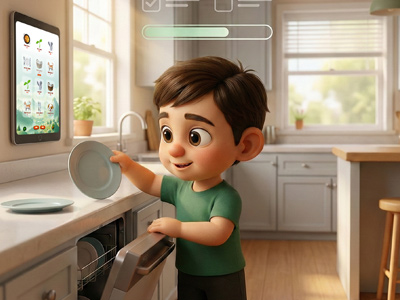
Small contributions count. A child who clears the table is not just helping with dishes. They are helping the evening move forward. A child who checks off a task is not just completing a chore. They are participating in the rhythm of the household.
That sense of shared flow changes everything.
Teamwork fails when it is vague. It works when it is concrete.
Children need clarity, not lectures. They need to know what their role is and why it matters. When expectations are visible and consistent, conflict decreases rather than increases.
It also helps to move from constant verbal reminders to shared systems. When tasks live outside the parents’ heads, responsibility becomes less personal and less emotional.
Finally, teamwork works best when it is framed as identity, not control.
This is not “helping mom or dad.”
This is “this is how we do things in our family.”
The goal of teamwork is not a perfectly run household. It is raising children who understand effort, cooperation, and mutual responsibility.
Life will not smooth the pavement for them later. But if they grow up in a family where everyone carries part of the load, they enter the world with a stronger sense of balance and respect.
A family that works as a team is not quieter or stricter.
It is calmer.
Because no one is carrying everything alone.
This is also the thinking behind Tasks ’n Chores. Not as a way to control children or track performance, but as a way to make family teamwork visible. When tasks, routines, and contributions live in a shared space, responsibility moves out of the parents’ heads and into the family system itself. Kids can see what needs to be done, take ownership, and feel part of something bigger than themselves. The goal is not perfect behavior, but a calmer household where everyone carries a small, meaningful part of the load.