Motivation does not come from rewards alone. It comes from knowing what you are working toward.
That is why goal-setting can be such a powerful tool when it comes to chores and responsibility. When kids understand the goal, see their progress, and feel that the goal is achievable but still challenging, motivation shifts from “I have to” to “I am getting closer”.
A common mistake with chore systems is focusing only on the task and the reward. Do the chore, get the thing. While that can work short term, it often breaks down when motivation dips or expectations change.
Goals add direction. They answer the question kids rarely ask out loud:
Why am I doing this?
A goal gives meaning to effort. It creates a sense of progress and purpose, especially when the goal is visible and talked about regularly.
Not all kids are motivated by the same things. Some want screen time. Others want to save up for something specific. Some simply want the satisfaction of completing something on their own.
That is why individual goals matter.
When a child works toward their own goal, they experience ownership. The effort becomes personal. It is no longer about pleasing a parent, but about reaching something they chose or helped define.
In Tasks ’n Chores, individual goals can be tied to any point system the family prefers. Stars, gems, points, money or something else entirely. The currency is flexible, but the feeling of progress is what drives motivation.
Individual goals are powerful, but shared goals unlock something different.
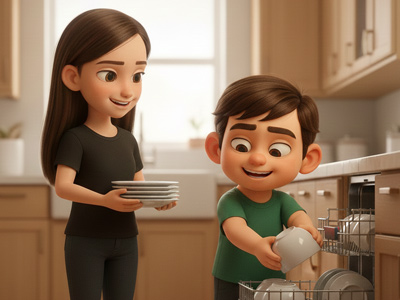
Family goals turn chores into teamwork. Everyone contributes. Everyone benefits. Kids learn that their effort matters not just for themselves, but for the family as a whole.
This could be something simple like saving up for a family movie night, a trip, or a shared experience. When kids see parents participating and contributing, it reinforces the idea that responsibility is something we do together.
Shared goals reduce friction. Instead of parents pushing from the outside, the goal pulls everyone forward.
A goal that is too easy is boring. A goal that feels impossible is demotivating.
The sweet spot is a goal that requires effort, consistency, and a bit of patience, but still feels reachable. This teaches kids an important lesson: meaningful things usually take time.
That is also why flexibility matters. As parents, you can adjust goals, prices, and expectations as you go. The system should adapt to the family, not the other way around.
One powerful feature of goal-based motivation is connecting abstract points to something real.
In Tasks ’n Chores, parents can link a real product or experience directly as a goal. Add a link, and the system pulls in the title, image, and price automatically. From there, parents can adjust the value to match what feels right for their family.
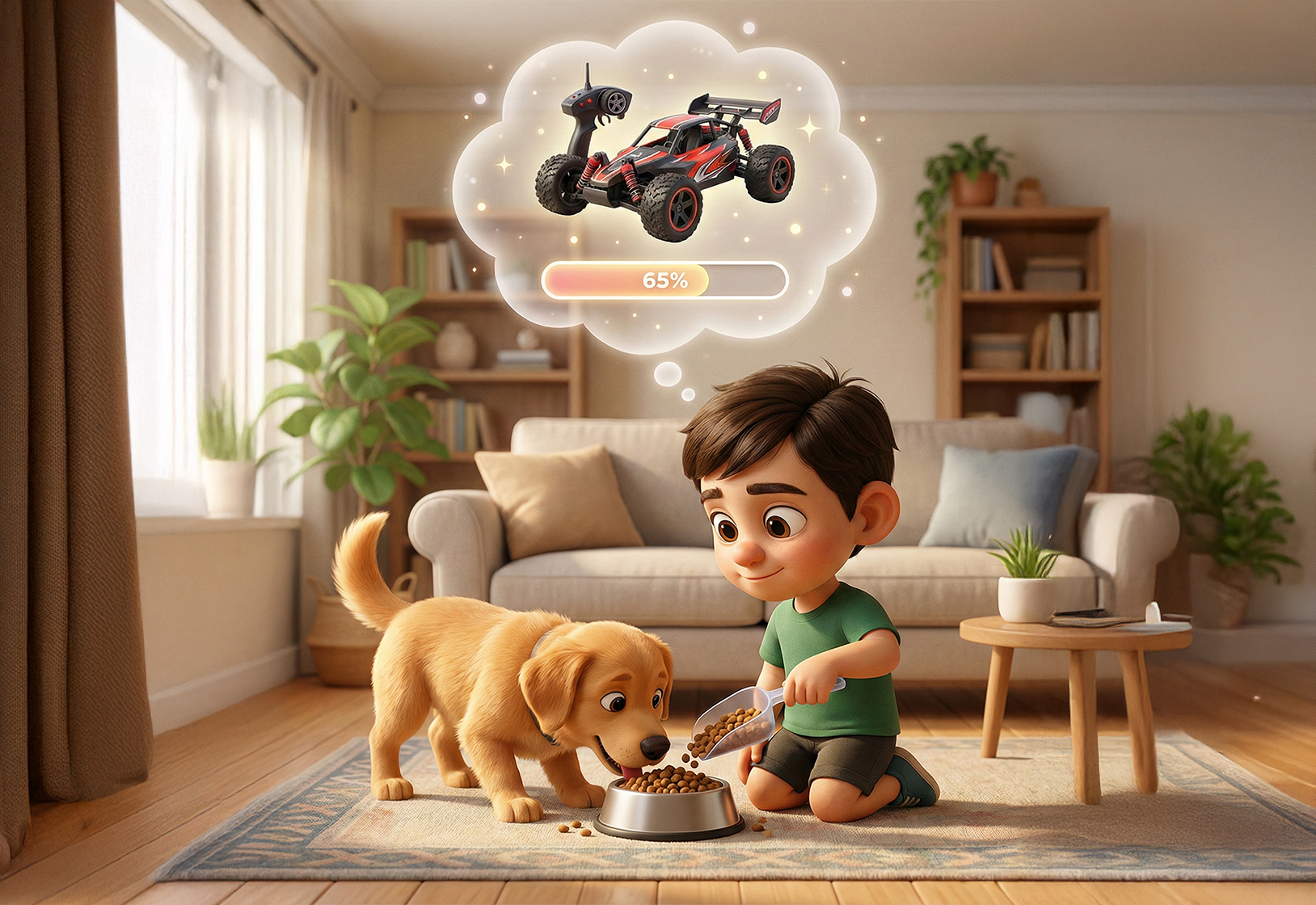
Suddenly, points are no longer just numbers. They represent something tangible, something the child recognizes and wants to work toward.
That bridge between effort and outcome is where motivation really sticks.
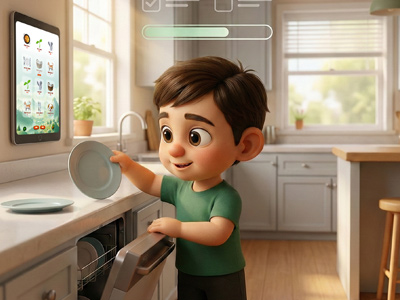
Goals work best when progress is visible and talked about.
Checking in on how close you are. Celebrating milestones. Adjusting together if something feels off. These moments matter more than the reward itself.
Over time, kids start internalizing the process. Effort leads to progress. Progress leads to achievement. That mindset lasts far beyond chores.