Getting children to help out at home has always been a challenge for parents. Not because kids are lazy, but because chores often feel disconnected from what motivates them. Cleaning a room or folding laundry doesn’t naturally spark excitement – at least not without the right framing. This is where gamification comes in, and psychology explains exactly why it works so well.
Gamifying chores isn’t about tricking children into working. It’s about tapping into the same mental drivers that make games engaging, rewarding, and hard to put down.
From a psychological perspective, play is one of the most powerful learning tools children have. Through play, kids explore rules, test boundaries, and experience cause and effect in a safe environment. Traditional chores, on the other hand, often come with vague expectations and delayed rewards – two things children struggle to connect with.
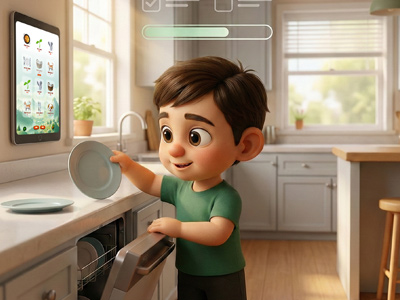
When chores are framed as a game, they suddenly align with how children naturally think and learn. Clear goals, instant feedback, and visible progress transform abstract responsibilities into concrete challenges they can understand and enjoy.
One of the biggest psychological shifts that gamification creates is the move from external pressure to internal motivation. Instead of doing chores because a parent insists, children start doing them because they want to earn points, complete a challenge, or level up.
Games work because they provide:
This combination triggers dopamine – the brain’s reward chemical – making children more likely to repeat the behavior. Over time, the chore itself becomes less of a burden and more of a normal, even satisfying, part of daily life.
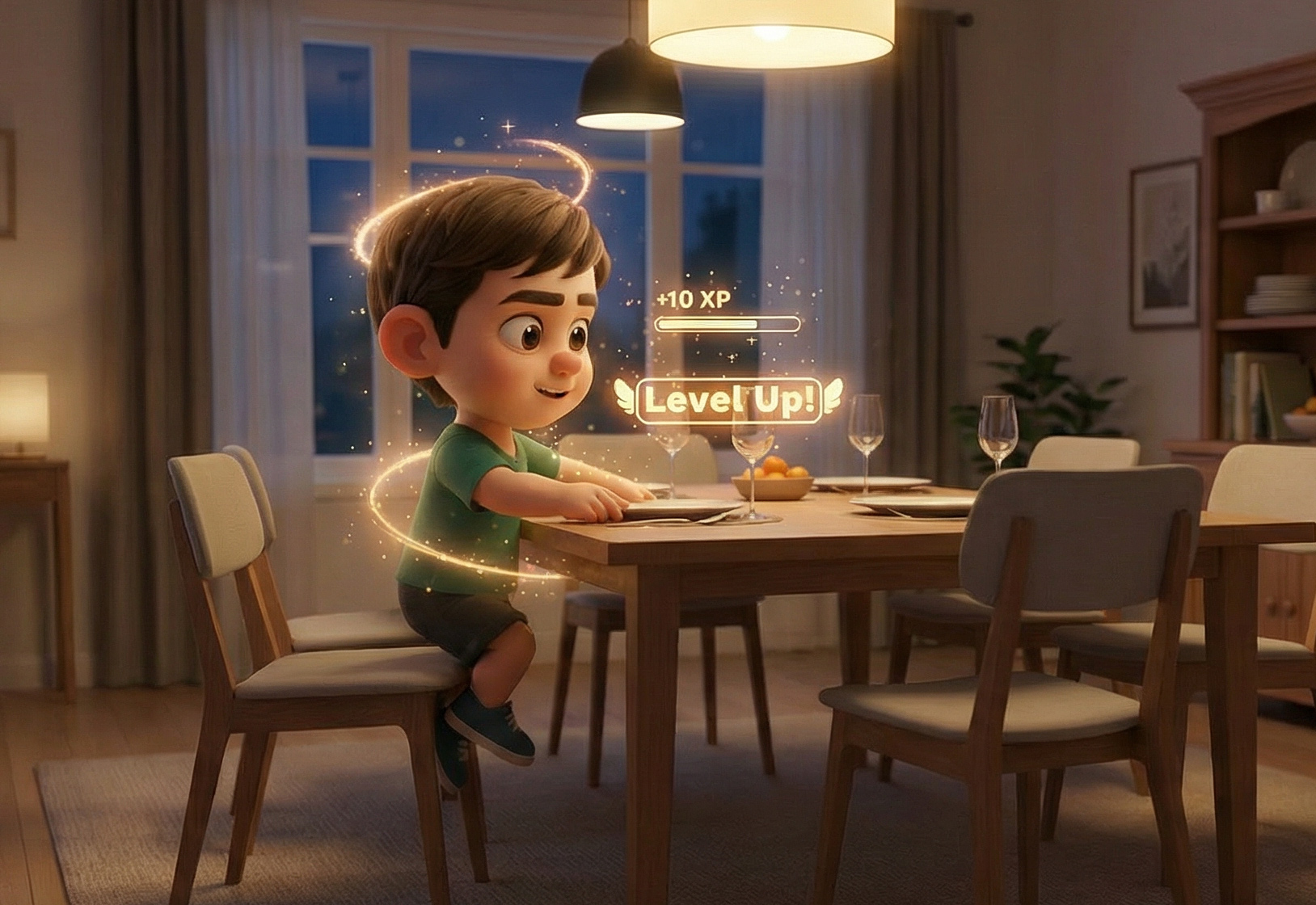
Another key psychological principle behind gamification is competence. Kids feel good when they improve at something. When chores are gamified, children can clearly see themselves getting better – finishing tasks faster, unlocking new responsibilities, or earning higher rewards.
This sense of mastery builds confidence far beyond the chore itself. Children start to see that effort leads to improvement, and improvement leads to recognition. That lesson sticks.
Children are far more motivated when they feel they have a choice. Gamified systems often allow kids to pick tasks, decide when to complete them, or choose which rewards to work toward. This sense of autonomy reduces power struggles and increases cooperation.
Psychologically, this is crucial. When children feel ownership over their tasks, they’re more likely to take responsibility seriously – and less likely to resist simply because they were told to do something.
A common concern among parents is whether rewards “ruin” intrinsic motivation. Research suggests the opposite when gamification is done right. The game elements act as training wheels – helping children build routines and habits until the behavior feels natural.
Over time, kids don’t just clean their room for points. They clean it because it feels normal, because they’re proud of it, and because they understand their role in the household.
At its core, gamifying chores aligns household responsibilities with how children’s brains work. It replaces nagging with encouragement, conflict with collaboration, and resistance with motivation.
That’s why tools like Tasks ’n Chores aren’t just about getting things done – they’re about teaching responsibility, building confidence, and making everyday family life a little more positive.